

Men Can Duck Right Off
Say less, sexy.
debris:
The English word “canvas” comes from the Latin kannabis, meaning, well, you can finish that sentence.
oh oh oh:
Photos are filthy, and it’s useful to be fun. According to me, anyway. Learn more in my interview with Michelle Henning, author of A Dirty History of Photography, for Pittsburgh Review of Books, and my essay on Almost Perfect Press for Cleveland Review of Books.
And this Saturday only—hear me speak all Appalachian at the Pittsburgh Book Fest. Details below.
and then also:
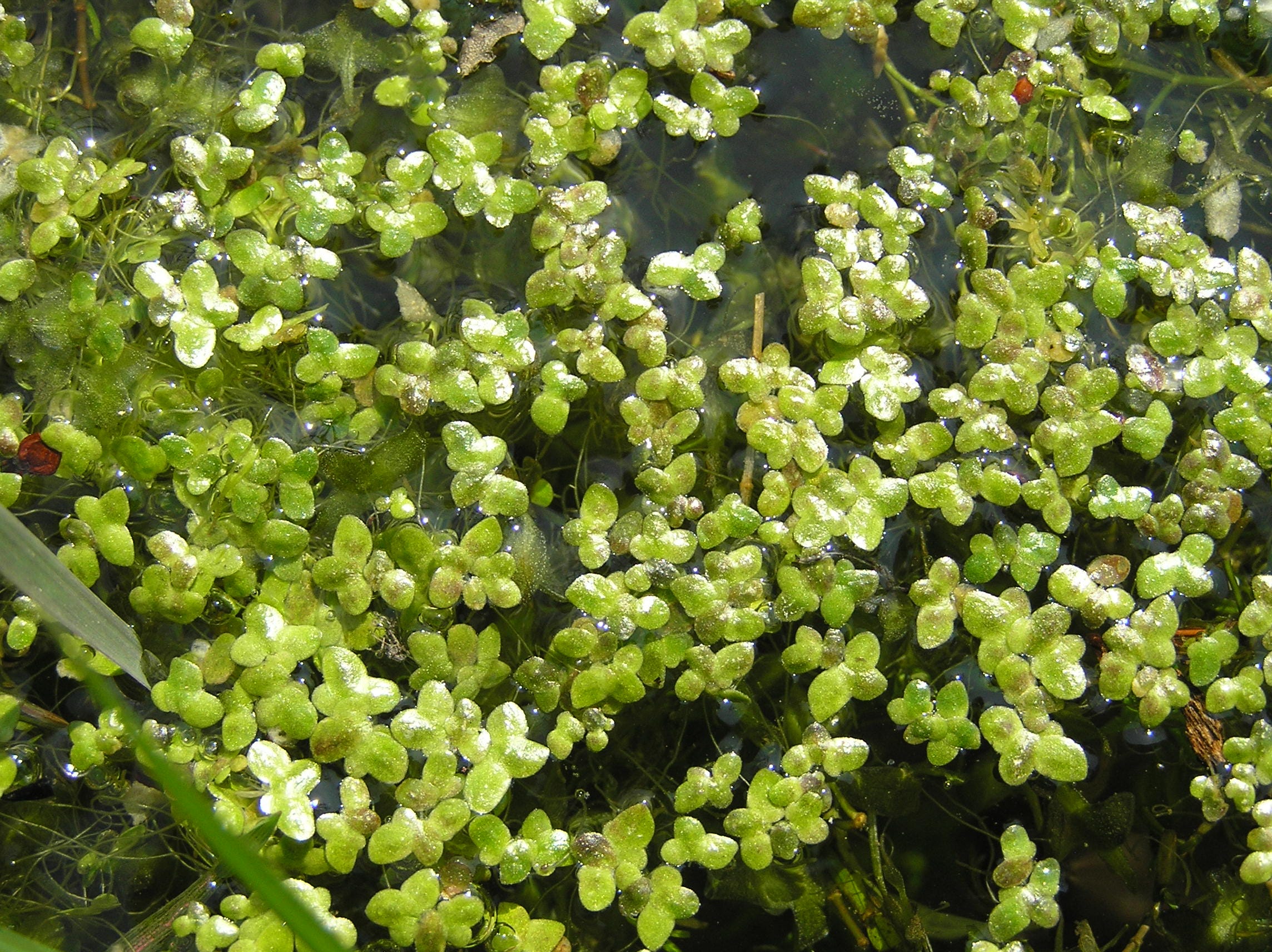

There’s more fish in the sea, and duckweed in the pond.
Duckweed was a model organism for biologists in the early twentieth century, as I told you last week. The tiny plant rose to botanists’ attention thanks to its shocking fecundity. The duckweed species Lemna minor, for instance, can produce seven generations in thirty days. That means that a single frond of Lemna minor can duplicate itself into at least one—and often two—new “daughter” fronds each week.
Duckweed can pull this off because it bypasses the whole flowering-and-fruiting kerfuffle. Although flowering is a great reproductive mechanism (otherwise we wouldn’t see so much of it), it’s also a risky approach. Pollen can be transferred to the wrong species, eaten by animals, or simply destroyed by the elements. Developing fruits can be infected by fungi. Newly sprouted seedlings can be trampled underfoot or shaded to death by competing plants. None of this is relevant for duckweed, though, who has skipped the flower show for self-mimesis.
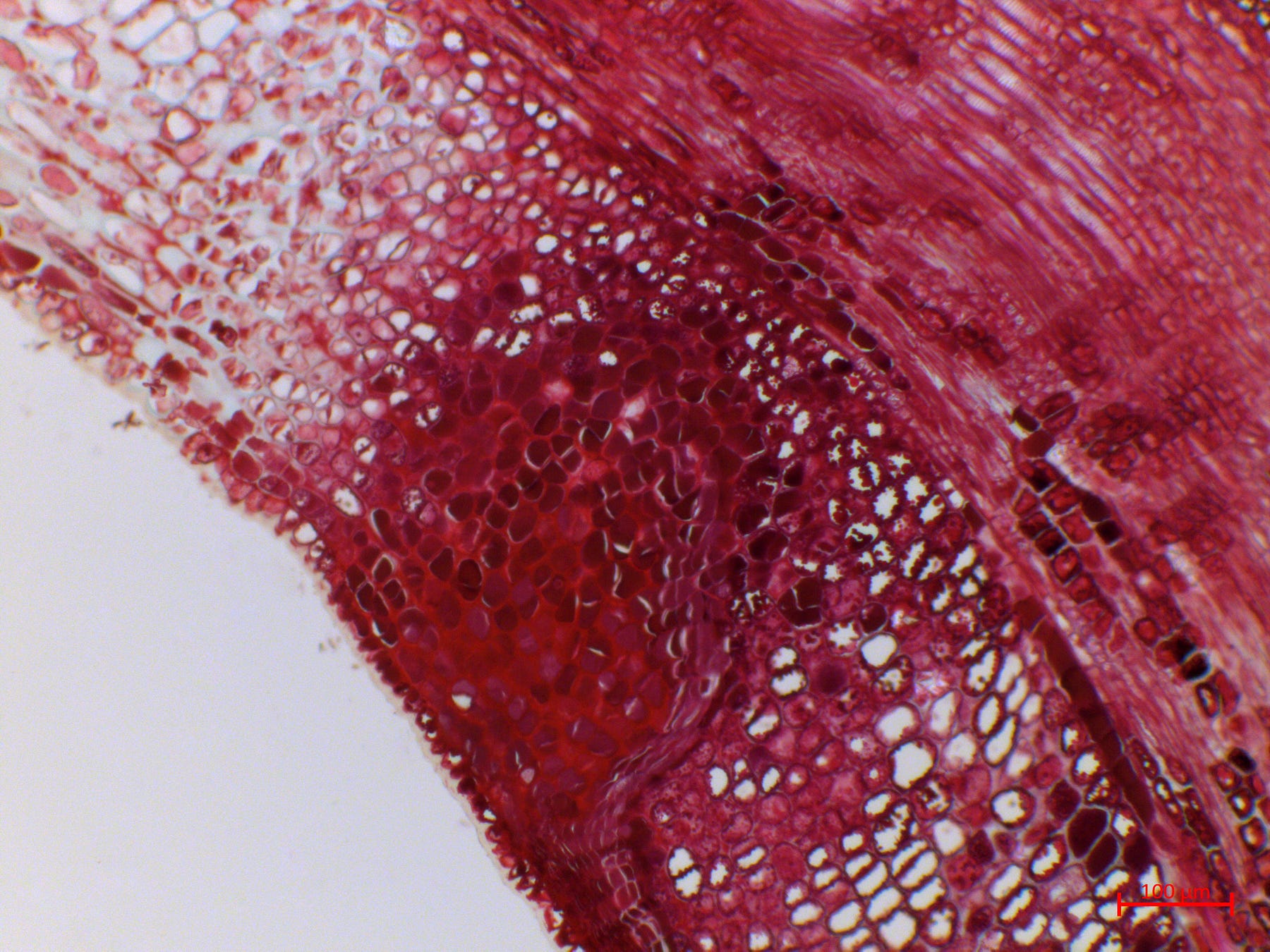
On the underside of a duckweed frond is a “vegetative pouch,” or a chamber containing stem cells. Stem cells are cells which have not yet become differentiated, which do not yet have a specific role to play in an organism (i.e. blood cells, hair cells). Once a duckweed frond has enough starch stored within its tissues to ensure continued vitality, stem cells in the vegetative pouch begin to divide. What they form is a clone of the host, or “mother,” frond. After a few days, the clone is ready to exist outside of the host frond and it moves into the water, still connected via a stem-like structure called a “stipe.” Eventually, the plants disconnect from one another thanks to abscission—the same process which disconnects an apple from the tree.
.jpg)
Traditionally, the clone-producing plant is called a “mother” and the newly cloned is a “daughter.” And maybe I’m overthinking things (hi, hello, do you know where you are?) but this seems unbelievably boring. Here, in the interstice between Mather’s Day and Fother’s Day, let us imagine otherwise:
The older plant is a regular. The newer is on her first divorce and her third white wine.
Or plant number one is Kathy before she receives a chain letter. Number two, Kathy with the open envelope in her hands.
A 90s Nirvana butch and an early 2000s Avril Lavigne type.
Then again, the infinite chain of mothers and daughters appeals to me, too. I would have never been welcome on a wimmin-only feminist commune, would not have been encouraged to go back to the land (except, perhaps, in a box), but this only allows me to have a perfectly untrue fantasy of feminist separatism. From the driver’s seat, I turn up Yoko Ono’s voice. She chants “woman power!” I chant “woman power!”
“We’ll allow the men who want to join us, and the rest can just stayyyyyyy by themselves.”
I imagine men, not me, staying by themselves, off the farm, out of the pond, away from we mothers and daughters.
I chant and I hope Yoko knows there are many kinds of women, like there are many kinds of duckweed, and they do not always have the same bodies or the same bodily functions, and they often want different things from geological time. I hope Yoko will join me on the duckweed pond where we pretend to be priestesses of Avalon. It’s a bad fantasy, a fantasy of living without acknowledging trouble, but it’s a good time. I listen to Yoko Ono to have a good time.

Anyway, it’s probably not a big deal, but these asexually reproduced duckweed fronds are termed mothers and daughters, though duckweed also engage in asexual reproduction outside the sisterhood. In the same vegetative pouch, duckweed produce turions—one of the ugliest words in botany. Turions are duckweeds, but compressed and lacking aerenchyma—the air-filled cells which allow duckweed to float on the surface. Dense, these turions exit the vegetative pouch and fall to the bottom of the water column, waiting until conditions for growth are favorable. Then, they float back up and form duckweed bodies we recognize.
Why, maybe you wonder, are turions not called seeds, when they are so seed-like? Botanical terms like “seed” are based not only on function but also on anatomy. Seeds are formed through the meeting of sperm and egg cells, in the context of sexual reproduction, and take shape within the flowering structures of a plant. Turions, being made elsewhere and without men’s input, receive their own name.
Botany, I’ll remind you, is only one way to look at plants. It’s helpful, sometimes, to distinguish between seeds and turions, but it’s not always necessary. Like when I’m watching Real Housewives of Rhode Island and Dolores says that she and Liz are often mistaken for sisters. They’re not sisters, though. They just have the same plastic surgeon and he’s only got so many ideas.
Maybe, instead of mother and daughter fronds, they’re surgeon and patient. Or celebrity and magazine reader. They’ve all got the same duck lips. Duckweed lips. Do you see where I’m going?
It all goes so fast—getting a new face, getting a daughter frond, covering a pond with your clones. And sure, it’s not “sexual” in the biological sense, but what could be hornier than needing to look like someone else, than needing to get your body that close to theirs?
Anyway, I’m telling you all of this—if you remember—because Georges Bataille, that French man (le barf) who wrote so briefly about duckweed, was obsessed with how duckweed fills a space. And he was right. I read about duckweed and suddenly it filled my life, and now it’s in your inbox.
But he was also obsessed with the idea that sexual reproduction (not just sexual activity) was super special, was the height of existential heights. Does that make sense, though, knowing what we know about duckweed? Or do we need to get weirder in the water?
More next time, sissy.
Upcoming Performances & Readings

May 30 — PGH Book Fest @ Hillman Library—11:30 AM-12:30 PM
June 13 — PGH UFO Club Book Sale @ Fungus Books — 12:00 PM
okay:
I covered myself in my favorite perfume—Yves St-Laurent’s Opium—in honor of poppy season. My mucous membranes were instantly aflame. Allergies are cowards in the fray of beauty.