

Citrusn't
It's not what you think.

debris:
If you like plants and/or guessing games, then may I encourage you to fritter away your hours playing Metaflora?
and then also:
Not to reheat Foucault’s nachos, but botany is a discipline. It’s a wooden ruler for the knuckles of thought. A corset for observation. It teaches us how to pose questions about plants, how to measure and sanction the answers we find. And it corrects us: Sichuan pepper isn’t a chile, and Sichuan peppercorn isn’t related to black peppercorn. Bad words. Bad, bad.
Despite the lemony smell of Sichuan pepper (botanically, Zanthoxylum spp.), botany tells us the plant also isn’t a citrus. It’s a citrus cousin, a member of the Zanthoxyloideae sub-family of Rutaceae. Lemon and its kin are members of the Aurantioideae sub-family of the same. The two sub-families split from one another a certain number of years ago. (That number being one of those big, geological numbers that make the eyes twiddle their lids. There’s no sense to it, just math.)
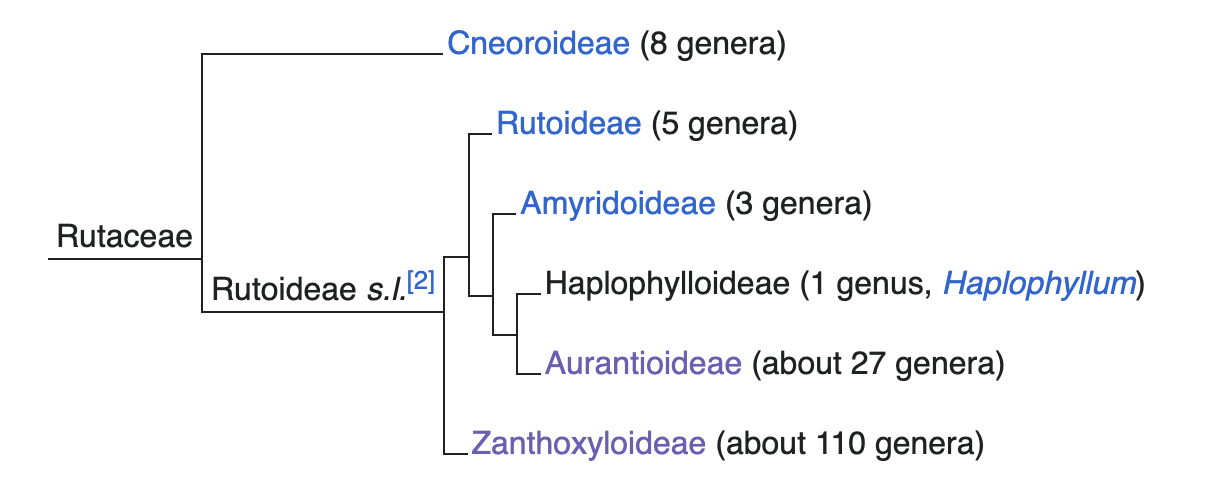
The family split wasn’t enough to keep Sichuan pepper free of citrus troubles, though. In 1910, American citrus growers began to spot lesions on their trees, a tell-tale sign of bacterial citrus canker. For two decades, farmers and agricultural experts fought to control the outbreak. (Under these challenging conditions, the grapefruit found its early twentieth-century popularity—a real rash-to-riches story.) While controlling the spread of citrus canker on the American continent was key, so was preventing new bacterial bits from entering the country. To this end, the USDA outlawed the import of citrus fruits from a number of Asian countries, as well as Brazil and Paraguay. Exempt from this restriction was the Japanese Satsuma mandarin, grown in a canker-free zone and handled very carefully to avoid contamination. But even Satsumas could only be imported via Washington, Oregon, and Alaska. Once in the country, they could only be sold in those states, as well as Idaho and Montana, and could not be transported across state lines. The USDA ban extended beyond the Citrus genus to a broad swath of species within the Rutaceae family—including Sichuan pepper.
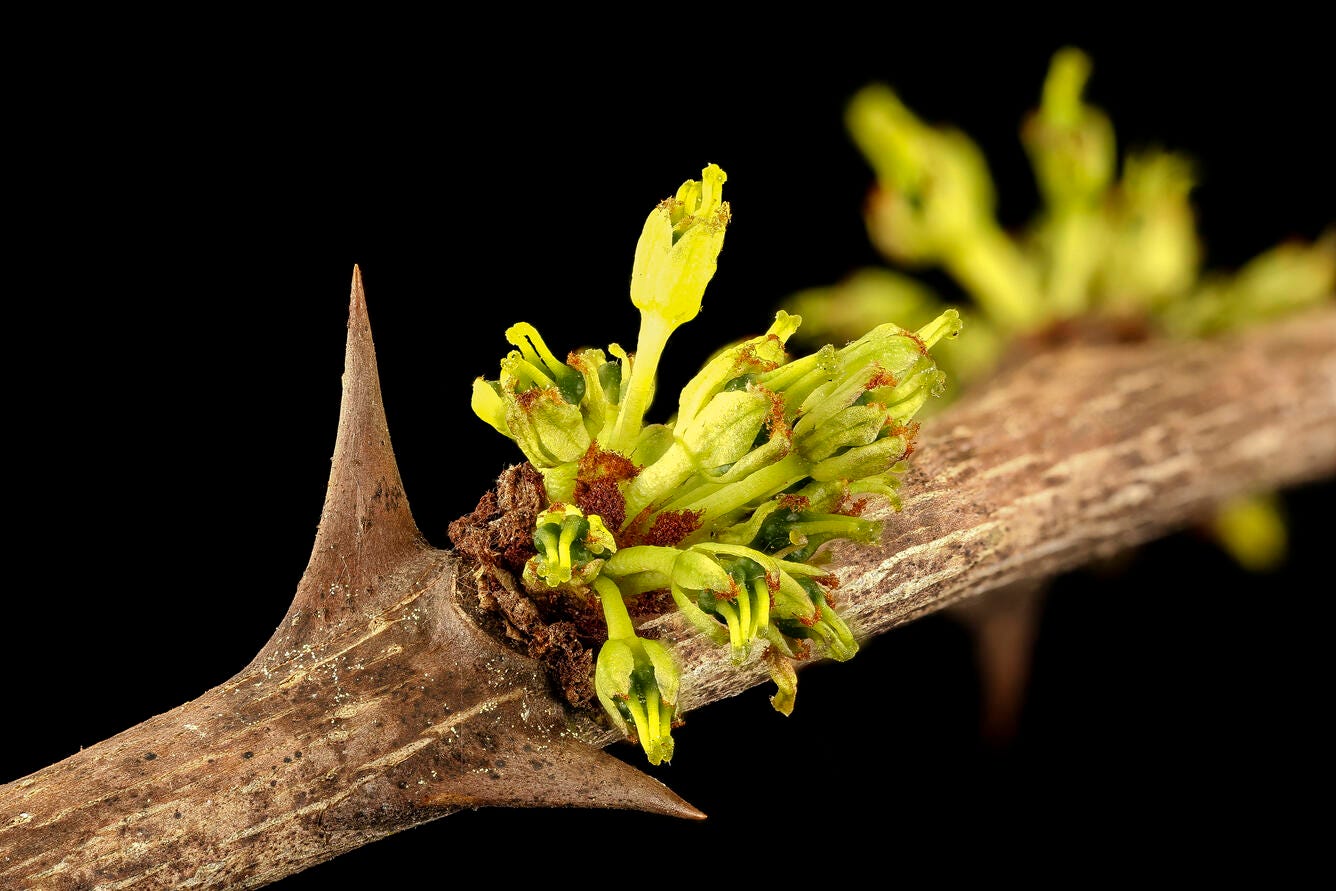
“Sichuan pepper” refers to the dried fruit of the Zanthoxylum genus—especially Zanthoxylum bungeanum. Zanthoxylum can be trees, shrubs, or climbers with alternately-attached leaves and flowers in panicles. The fruits of some Zanthoxylum species are “follicles”—one-chambered fruits. The follicles “dehisce,” or burst open, to release their seeds. (I recently learned that wounds on the human body can also dehisce. I am not a fan of this knowledge, nor of my acquisition of it by personal experience.) Sichuan pepper is one species among many in this family, and it is valued for the tasty dried rind left behind after dehiscence. Zanthoxylum also includes the American prickly ash (Zanthoxylum americanum), known as the “toothache tree” owing to the fruit’s mouth-numbing quality.

That same numbing quality is possessed by the fruits of Sichuan pepper, and is key to Sichuan cuisine’s traditional málà flavor—”má” meaning “numbing” and “là” meaning “piquant.” Sichuan pepper’s málà made it a popular export item long before citrus arrived in the Americas. The fruit first appears in non-Chinese literature in 1020 CE, when Ibn Sina—an Islamic philosopher and physician who lived in modern-day Iran—recorded the species under the name “fagara.” “Fagara” may have come from an Arabic word meaning “open-mouthed,” referring to Sichuan pepper’s dried fruits, hanging open like jaws, though researchers are unsure of the word’s origins. “Fagara” was still in use when Linnaeus undertook his taxonomy of plant species, and remains a synonym for Zanthoxylum. In China, Sichuan pepper was recognized as a spice, a medicine, and an incense as early as the Warring States Period (475-221 BCE). As medicine, it was used to “dispel dampness, kill roundworm, stop diarrhea, dissipate cold, relieve toothache, and remove discomfort caused by clammy environments.” Archaeologists have found Sichuan pepper in Warring States Period tombs, suggesting it was a relatively prized bit of produce.
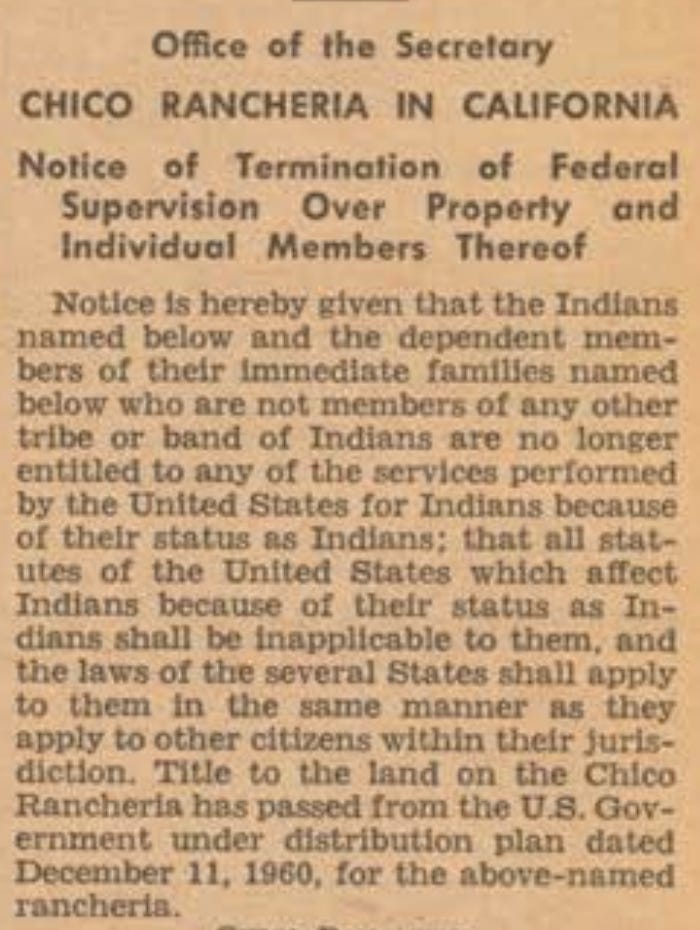
The long history of the Sichuan pepper was not on the minds of American politicians and policy-makers when they outlawed the plant from import in 1967, however. Although Sichuan pepper was an everyday ingredient for millions in China, it was not yet of commercial importance in the United States. The Chinese immigrants who came to the United States in the nineteenth century brought their foodways with them, but European settlers found these cuisines to be “strange, dangerous, and unassimilable.” Chinese dishes appreciated by settlers, like chop suey, had no sign of numbing-spicy málà from sichuan pepper. This would begin to change, rather slowly, after 1965 immigration reforms allowed more Chinese immigrants to come to the United States. It’s worth noting that the same Federal Bulletin which announced the ban on Sichuan pepper also announced the termination of Mechoopta Indian Tribe’s claims to land near Chico, California, as well as their the tribe’s recognition by the United States government. Not to reheat several scholar’s nachos at once, but this country has always been—and remains—an extended experiment in separating people from the possibility of living. In 1965, the government reduced restrictions on immigration from China. In 1967, a group of people native to the land were dis-recognized by the same government. Progress is often a shiny new penny, given to you right after it’s been stolen from someone else’s pocket.
Although the citrus ban took effect in 1967, there was little implementation over the following three-and-a-half decades. Then, in 2002, the USDA began to dispatch agents to find and seize Sichuan pepper in stores and markets. The objective remained the same as ever: to prevent the spread of citrus canker. While I cannot find any evidence that the 2002 enforcement is directly tied to the truly unhinged levels of xenophobia and paranoia which followed 9/11, it’s impossible not to think the two together. Here were federal employees, agents of the USDA, sent out to Chinese and Asian groceries in major cities, searching for contraband. Even if enforcement was not driven by conscious political motivations, it seems inextricable from contemporary suspicions towards non-white Americans. And it’s worth noting: the USDA never found Sichuan peppers infected with the canker.
Implementation of the ban only raised Sichuan pepper’s profile. The New York Times began covering the story in 2002, reporting how chefs and home cooks alike were concerned their pre-ban stocks might run out. NYT published stereotypical anecdotes: one shop owner told a white reporter they had no Sichuan peppers in stock, only to only to show an Asian reporter a bag of the stuff hidden under the counter. Importers, it was said, secreted the fruits into the country by way of Mexico, by way of India. Prices jumped up to $25 per pound.
Three years later, the USDA updated their guidelines, allowing for the import of heat-treated Sichuan pepper. The heat would destroy the citrus canker bacteria, though it would also damage the fruits’ flavor. In 2017, the USDA lifted the ban on dried citrus fruits altogether, allowing untreated Sichuan pepper to be imported once again. For Chinese businesses, the timing was ideal. In 2018, the Chinese government released new plans for helping Chinese businesses “go global,” i.e. exporting Chinese goods, cultures, and ideas to the wider world. Just a few years earlier Chengdu, the capital of Sichuan province, was named a UNESCO City of Gastronomy—the first Asian city to receive the distinction. Sichuan officials were especially keen to export Sichuan pepper-containing hotpot, a dish which seemed both unique enough to be distinctly Sichuan and flexible enough to accommodate foreign palates. Increased standardization and regulation allowed corporations with significant funds to become major players in the hotpot market, “gentrifying” the dish and pushing aside smaller shops which could not keep up. Hotpot broth, which had previously been made by individual chefs in individual restaurant kitchens, began to be produced in commercial kitchens for distribution to franchise locations. Chains like Haodilao used standardized, aseptic decor to convey both the food’s safety and the brand’s reliability. Their version of hotpot is a pre-planned luxury affair, and they even offer manicure stations in the waiting area. With a firm grasp on the domestic hotpot market, brands like Haodilao looked to markets in other Asian countries, as well as Europe and the Americas. These locations abroad offer tomato and beef broths as alternatives to the traditional Sichuan pepper-infused málà broth. Vloggers in the United States visited the new locations and displayed their “courage,” trying spicy and “exotic” foods.
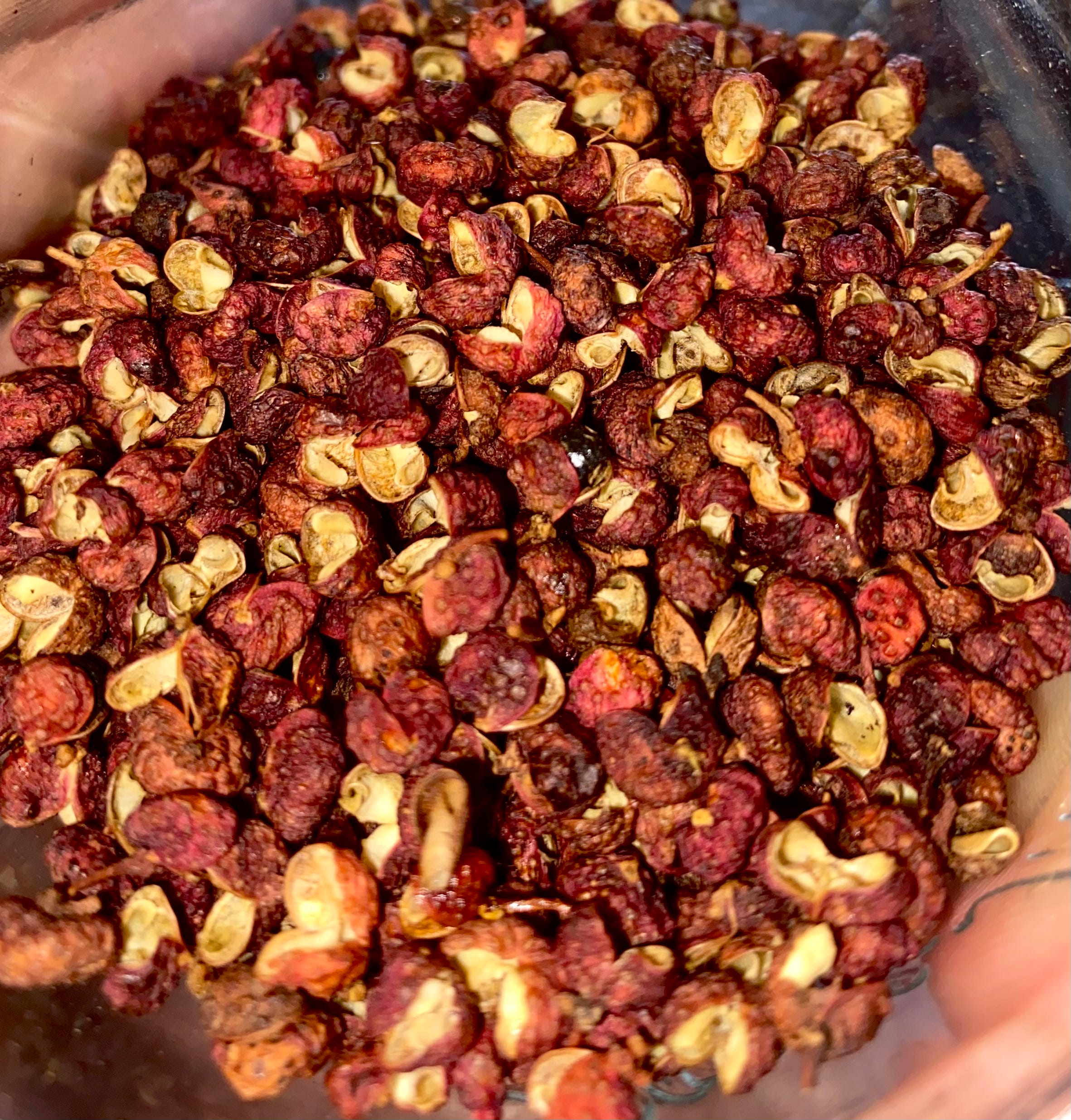
When reporting on the American Sichuan pepper ban of 1967-2005(ish), journalists often asked why was the Sichuan pepper had been banned in the first place. The obvious answer follows the USDA’s logic: 1) Sichuan pepper is part of the Rutaceae family; 2) members of Rutaceae can carry citrus canker; 3) citrus canker is bad for American citrus production; 4) thus, no Rutaceae imports, including Sichuan pepper. Moreover, Sichuan pepper, unlike the popular Satsumo mandarin, didn’t have a significant market in the United States in 1967. Most Americans—especially Euro-Americans—would have never heard of the plant, and would have no appreciation for the flavor of its fruit peels. Early twentieth century immigration restrictions also meant that immigrants from Sichuan province weren’t a major voting block at the time. There was simply no case for the Sichuan pepper to receive a Satsumo-like exception.
Sichuan pepper is now sold without restriction in the United States, and many of the USDA’s bans on citrus have been dropped or modified. Citrus canker is fairly well-controlled, and quarantines are only in effect for Florida and parts of Alabama and Louisiana. But again, it doesn’t appear that citrus canker was ever found on Sichuan pepper. While the ban was based on the “sound science” of taxonomy, it didn’t take into account the ecological realities of Zanthoxylum species. Sichuan pepper knows some organisms, and not others. And it doesn’t appear to know citrus canker.
From a policy perspective, the USDA’s citrus ban makes sense. Rutaceae is a massive plant family, and the Department can’t be expected to consider each species (and sub-species, and cultivar, and varietal) individually. But, for the rest of us, it’s a reminder that botany in general, and taxonomy in particular, is only one way—among many—to think about plants.
okay:
Last week, I received an artificial skin graft to help a slow-healing wound get itself together. I’ve since learned that the graft is made of cow gelatin and shark cartilage. I am now, in essence, a temporary manatee.
Wow. This is fantastic and so fascinating. So many layers to Sichuan peppercorn history, i’ve always wondered why it was so hard to find in the states. Thank you! Also it’s Haidilao* (hotpot lover here)